The mission of Cute Project in Uganda.
La missione è partita il 15 febbraio 2025. Il team è arrivato a Fort Portal, Uganda, la sera del 16, intorno alle 22. Il giorno successivo, il 17 febbraio, ha subito iniziato il lavoro al Fort Portal Regional Referral Hospital. La missione si è conclusa il 26 febbraio con la partenza da Fort Portal, il rientro in Italia il 1° marzo.
Flying Angels funded the tickets for 5 team operators and supported the organization of the flights.
The teams
The medical team
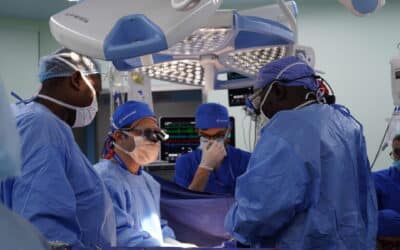
The team was composed of: 3 plastic surgeons, one of whom was Ugandan and resident in Kampala and a member of Cute Project since 2013, 2 doctors, 2 anesthetists, 2 operating room nurses, a pediatric nurse, 2 Ugandan nurses, a South African occupational therapist
The hospital
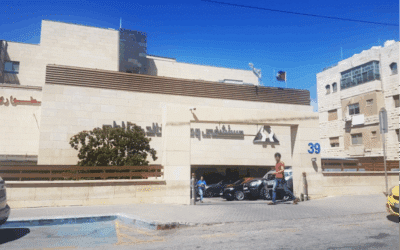
There is no Plastic Surgery department at FRRH and the Camp was attended by the Hospital's general surgeons and trainees, led by the Director of the Surgical Department, Dr. Lauben Kyomukama.
Highlights
Screening
The mission did not focus exclusively on minors but also on adults. In total, 146 people were visited, including 46 children (under 15 years of age).
The context
The most frequent victims of burns are children. In rural areas, cooking often means lighting a fire on the ground, with pots full of boiling water or food. The little ones, playing or running, easily end up seriously burned.
Interventions under general anesthesia
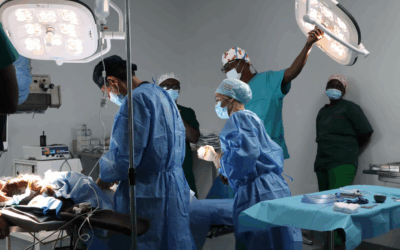
Forty-three operations were performed under general anesthesia, 28 of which were on children under 15 years old. The average age was 6 years old, with a median of 5. Most of the operations involved the most serious consequences of burns: deep scars that, if not treated correctly, tend to “glue” the joints, blocking movement. Thus, opening a hand, raising an arm, turning the neck and even walking can become impossible.
The other interventions
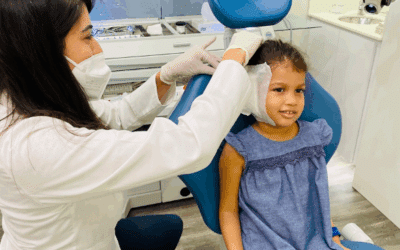
In addition to the procedures under general anesthesia, 53 procedures were performed under local anesthesia, including 4 on girls aged 14 to 17 and 7 children with severe burns, with an average age of just 1.7 years, who were treated with advanced dressings, performed under sedation to minimize pain and stress.
Focus on the hands
This year the mission focused particularly on the hands. In some cases, the conditions were so compromised that it was not possible to reconstruct the hand even from an aesthetic point of view. In these situations, the main objective became to recover at least the functionality: being able to pick up an object, write, work.
After the mission returned, the dressing of the operated patients continued – and continues today – thanks to the work of the local nurses trained by Cute Project and the medical material that was left at their disposal.
Splints and pressure garments
In the 2025 mission, South African physiotherapist Jennifer Blenkisop has also carried out valuable work, working side by side with Ugandan nurse Doreen Uweera. Over the years, Doreen has acquired essential skills in the making of pressure garments and in the management of advanced dressings for patients with severe burns.
During this mission, 34 patients were followed, 80% of whom were children. A tailor-made treatment was developed for each of them.
Training activity
During the mission, four lectures were held for doctors and medical students residing in the hospital. The training sessions addressed fundamental issues such as the treatment of burns in the emergency and acute phase, the management of scars from a medical, surgical and physiotherapeutic point of view, the organization of a Burns Center.
An important opportunity for exchange and growth, designed to strengthen the skills of local staff and ensure continuity of care even after the end of the mission.
The Mission Report
By funding flights for our medical team, Flying Angels has made it possible to send specialists to areas where access to advanced medical care is limited or non-existent. Their collaboration has enabled specialized surgeries and treatments, as well as training programs for local healthcare workers, significantly improving the quality of care provided.
In a context where resources are scarce and distance is a significant barrier, the logistical support of Flying Angels has been instrumental in ensuring that care reaches those who need it most. Their dedication in facilitating the transportation of medical teams to disadvantaged areas has had a tangible impact on the health and well-being of numerous patients. Thanks to Flying Angels, we have been able to expand the reach of our intervention, providing hope and care to communities that otherwise lack access to adequate health services. Their mission to overcome geographical barriers to ensure the right to health has materialized in the success of our mission, and for this we are deeply grateful.
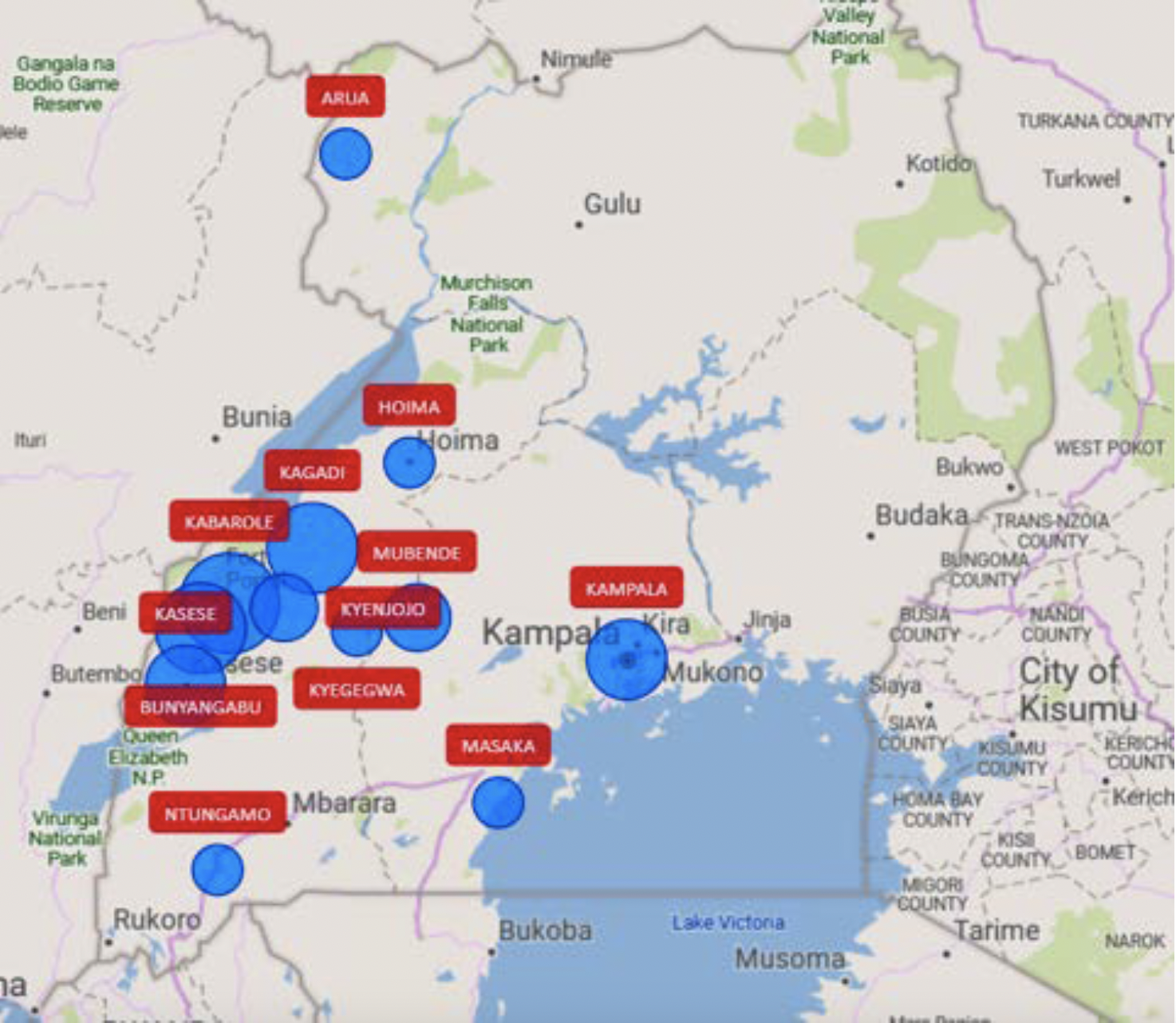
Mission coverage.
Missions like the one operated by Cute Project have a reach that goes far beyond the specific city or location. The children treated during the mission came from different regions of the country and some traveled up to 450 km to reach the care they urgently needed.
Training and ongoing coordination with on-site staff are also critical to ensuring long-term coverage and creating additional value and care.